

Who Were the Samnites?
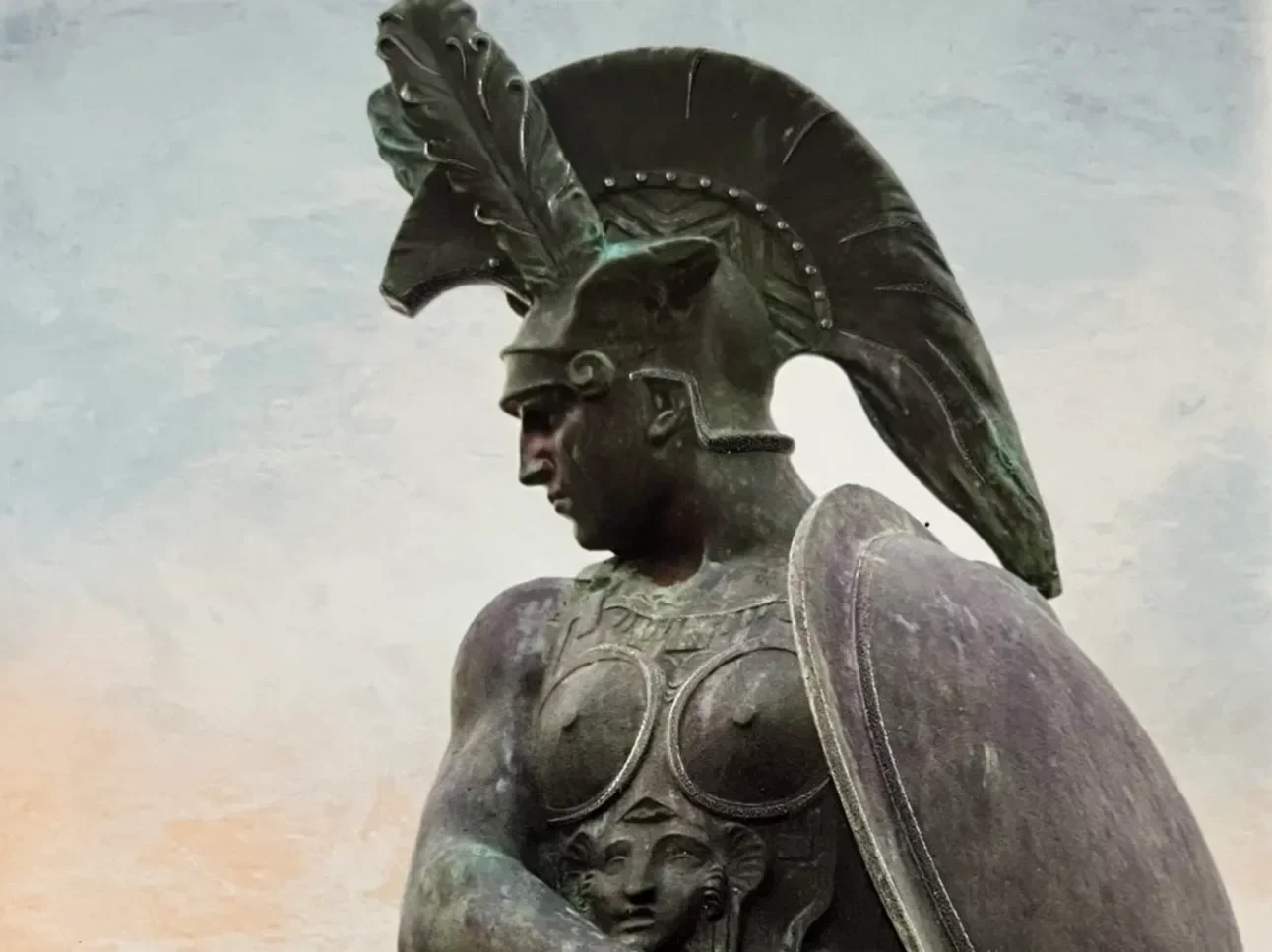
Contributed By Phil Micali
In many of the Notiziario articles about towns in Abruzzo and Molise, it is mentioned that those places were originally Samnite settlements.
For example, tucked into a valley near Pietrabbondante Molise are the ruins of one of the most unknown Italian tribes -- The Samnites. But who were they?
The Samnites, an ancient Italic people, inhabited Samnium, a central and southern region of Italy. Their significant role in early Roman history, particularly their conflicts with Rome during the Samnite Wars, is a testament to their enduring influence on the Italian peninsula.
The Samnites were renowned for their hilltop settlements and fortresses, strategically positioned to defend and control the surrounding areas. These fortresses, often boasting impressive stone walls and defensive structures, served as both military strongholds and administrative centers, a testament to their strategic intelligence.
The Samnites' economy was primarily agricultural, with a focus on the cultivation of grains, olives, and grapes. They also practiced pastoralism, raising livestock such as sheep and cattle. Their daily life revolved around household activities, with evidence of weaving, pottery-making, and other domestic crafts.
The Samnites had a robust martial tradition, with a societal emphasis on military training and prowess. Warriors were highly esteemed, and their military strength lay in their infantry, organized into maniples like the Romans. They were known for their distinctive armor, including the 'Samnite shield' (a rectangular shield similar to the Roman scutum) and a bronze helmet often adorned with a plume.
Between 340 and 290 BC, they fought three wars with Rome. After their defeat, the Samnites gradually became Romanized, adopting Roman culture, language, and customs.
Winter 2026